parole review and discretionary release in the Texas prison system, including how cases are prepared and when hiring counsel changes anything
Three places your parole money can go, and the one that actually changes the vote
A plain breakdown of the three cost centers in a Texas parole file, records, support package, and paid advocacy, and which one earns back what you put into it.
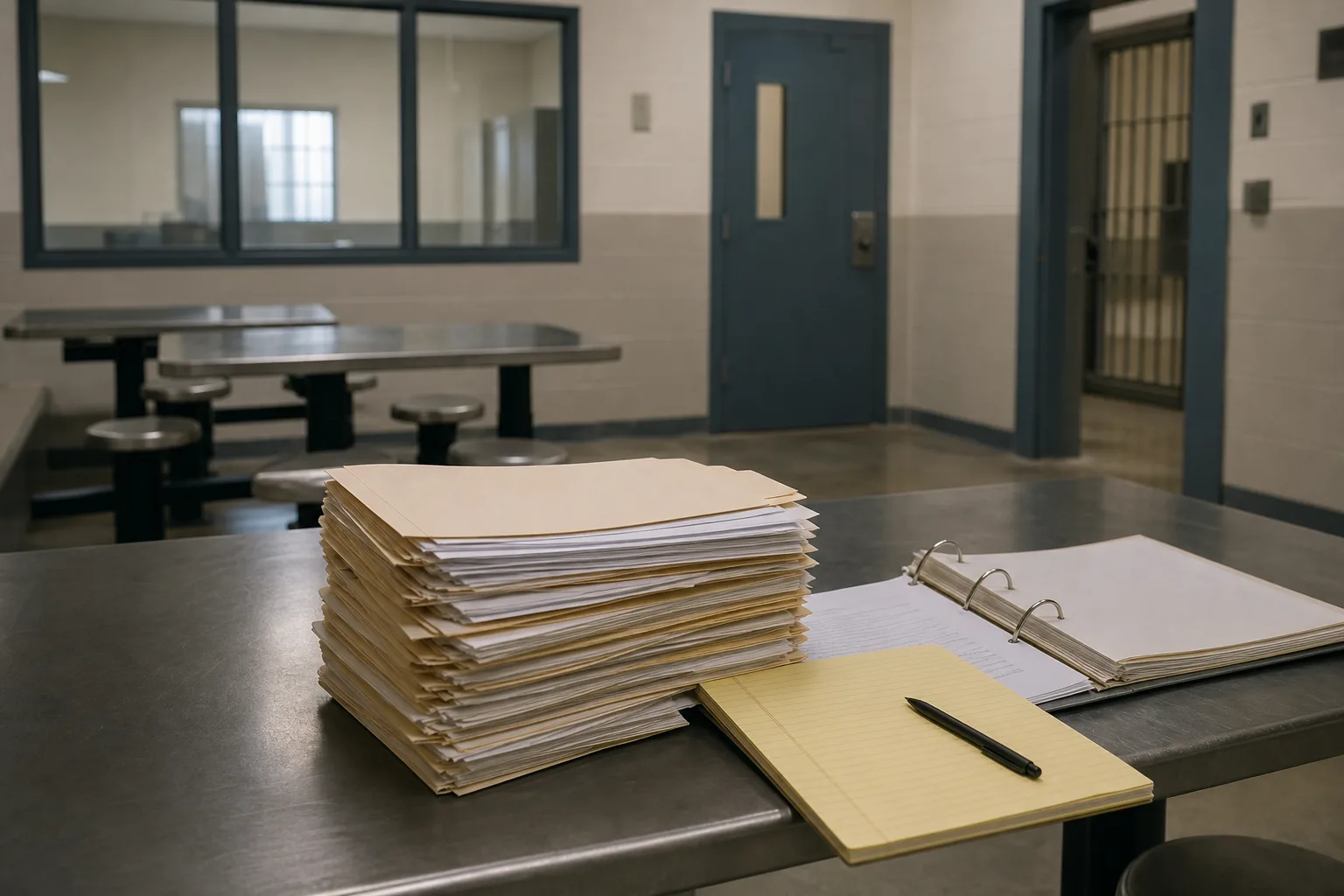
Money spent on a Texas parole case tends to land in one of three places, and families almost never allocate it deliberately. Someone calls an office, hears a number, pays it, and the rest of the file gets assembled in whatever time is left. That order is backwards. The Board of Pardons and Paroles votes on a file that has three separable parts, the official record, the material you supply, and the advocacy that frames both, and each part responds differently to cash. Sorting them out before you spend is the cheapest step available.
Column one: the official record, which you mostly cannot buy
The bulk of what a voting panel reads was generated without you: the offense report and judgment, the classification and disciplinary history, program and school completions, the risk instrument score, and whatever the institutional parole officer records at the review interview. None of that is for sale. What money buys here is retrieval and legibility, copies of court documents from the district clerk, a certified judgment, transcripts, medical or mental health records released with a signed authorization. Those fees are per-page or per-document and small compared with the rest. The real cost is calendar time, since clerks and units work at their own pace.
Column two: the support package, cheap to produce and easy to do badly
This is the part a family controls outright, and it is where careful reading pays for itself. A support package is a release plan a stranger can verify: a named residence with the householder's own signed letter and address, a sponsor who answers the phone, an employment prospect or a documented path to one, transportation, and a plan for any treatment condition likely to be attached. Support letters help when they are specific and dated and hurt when they are form letters with the name swapped. The Department of Labor oversees the federal workforce programs and bonding assistance that reentry employers use, and naming a concrete route into work reads better than a promise.
Column three: paid advocacy, which buys framing and access to the calendar
The third column is the one people actually mean when they say they are hiring someone. What a parole attorney or registered representative sells is a written presentation to the panel, contact with the Board's support operations staff and the appropriate office, awareness of where the case sits in the review cycle, and the judgment to decide what should not be in the file at all. In a routine case with a clean disciplinary record and a solid home plan, that framing is a modest addition. In a case with an aggravated offense, a protest from the prosecuting office or a victim, a recent major case, or a prior revocation, the framing is doing most of the work. That is the column that earns its money.
What a careful reader checks before paying anyone
Board rules require attorneys and other paid representatives to register with the Board and to disclose what they are charging, so ask whether the person is registered and confirm it. Then read the fee agreement for scope rather than price. Does the quoted amount cover one review only, or the next set-off review too? Who writes the presentation, and who, if anyone, visits the unit? Is there a separate charge if the panel votes a favorable action with a program condition attached, which triggers more work? Any promise about the outcome, any suggested familiarity with how a particular commissioner votes, is a reason to close the folder and leave.
Sequencing the three columns on a real budget
Order the spending by what expires. Court records and unit records take weeks to arrive, so start them first, at low cost, before the review window opens. Build the support package next, over months if you have them, because it is free and because a verified address and a real job lead cannot be conjured in the last fortnight. Hold the advocacy money until you know what the file actually looks like, then spend it where the file is weakest, on presentation of a difficult offense history rather than on paperwork you could have gathered yourself. Families who work in that order usually spend less and arrive with more.
The useful question is not whether a parole attorney is worth hiring but which of the three columns your particular case is losing in, because the answer changes what the same dollar accomplishes. A file thin on release planning gets fixed by phone calls and signed letters. A file heavy with protest and an aggravated sentence gets fixed, if at all, by someone who writes to panels for a living.
What records actually cost
District clerk copies, certified judgments, and transcripts are charged per page or per document and are usually the smallest line in the whole budget. The expensive part is the waiting, since clerks and prison units release records on their own schedule.
The interview you do not attend
An institutional parole officer conducts the review interview inside the unit and records what goes to the voting panel. Families cannot sit in, which is one reason the written material submitted beforehand carries so much weight.
Voting panels, not one person
Discretionary release decisions in Texas are made by panels drawn from board members and commissioners rather than by a single official. Any pitch built on knowing how a specific decision maker leans should be treated as a warning sign.